
Othisis Medtech

A Context-Aware AI Medical Scribe,
Built For Every
Medical Specialty

Othisis adapts to the language, risk profile, documents, and outputs required across medical specialties. It creates accurate, traceable notes aligned with how each specialty works.
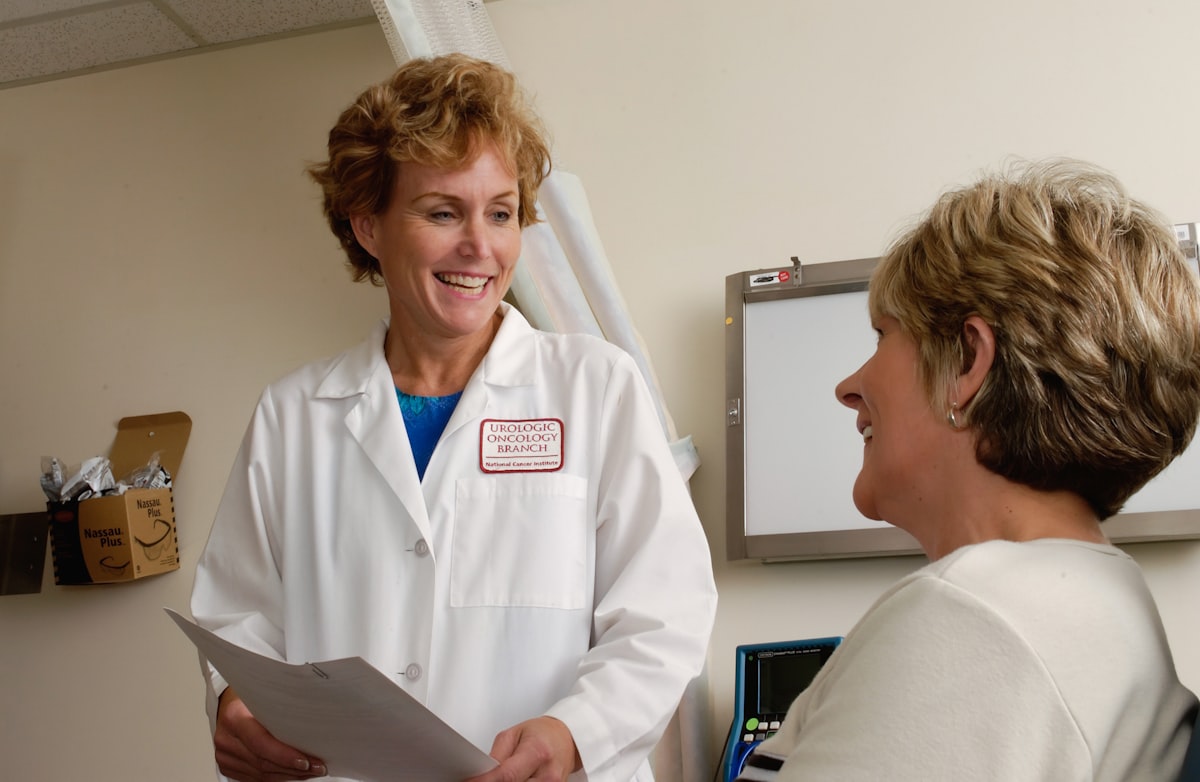
Medical Team Collaboration
 

Why Specialty-Specific AI Scribing Matters

Clinical language density

Risk and regulatory sensitivity

Record and document types

Downstream usage like referrals or insurance

How Othisis Supports {Specialty}
Documentation

Othisis behaves differently in {specialty} contexts. It:

Prioritizes clinically relevant {specialty} details

Structures notes to match {specialty} norms

Handles dense terminology with contextual awareness

Adapts to consults, follow-ups, and ongoing care

Explore Othisis for {Specialty}

Start your 14-day free trial. No credit card required.

Request Demo

Frequently Asked Questions

Othisis delivers the full transcript and structured note draft after the session ends, not during it. This means the clinician's full attention stays on the patient throughout the encounter. Once the session closes, the transcript and draft become available side by side for review, editing, and sign-off.

Yes. Othisis indexes every generated note section back to the originating audio segment or source PDF. Clicking on any statement in the draft opens the exact transcript point or document reference it was drawn from so sign-off is based on verified content, not on trusting the AI's output without review.

Othisis surfaces ICD-10 coding cues from the documented encounter and grades each one green, yellow, or red based on how strongly the documentation supports the suggestion. The tool does not select codes or make diagnostic decisions it helps clinicians see where documentation is strong, where it needs a closer look, and where the source needs to be checked before submission.

Othisis operates on a read-only EHR access model. It ingests clinical context from uploaded documents and the encounter transcript but does not write to the EHR automatically. Every output note, referral, summary, insurance document is a reviewed draft that enters the chart only after the clinician has approved, edited if needed, and explicitly signed off.

Yes. Othisis is designed to support multi-provider workflows where documentation accountability matters. Each draft output is traceable, attributable, and tied to the source encounter so any clinician reviewing the record can independently verify the basis of documented decisions before signing off, regardless of who conducted the original encounter.