
Othisis Medtech
LETTER OF MEDICAL NECESSITY

Letters of Medical Necessity, Written From the Visit Itself

A letter of medical necessity written from memory days later drifts from what was actually documented. That mismatch comes back as a denial or a request for more information. Othisis drafts the letter from the visit record, so what goes to the payer matches what is in the chart.
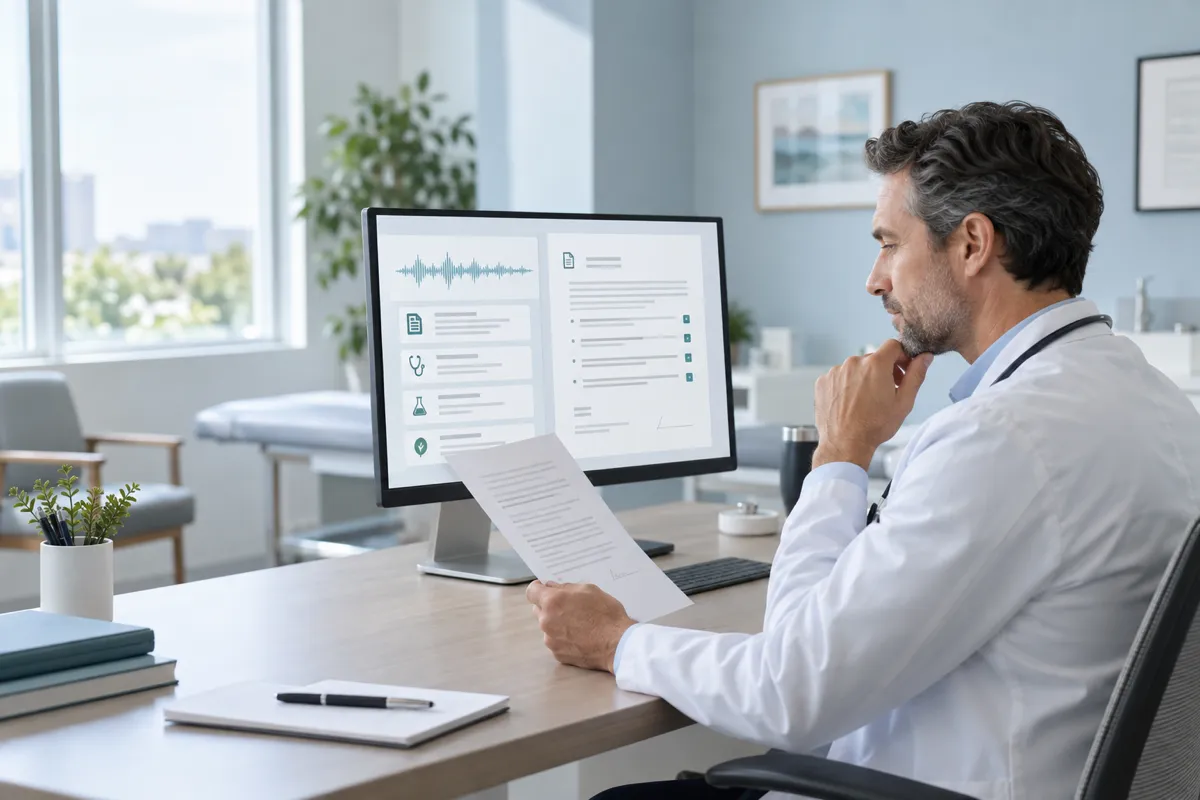
Physician reviewing a printed letter next to a monitor showing structured visit documentation

The reasoning is in the visit. It just does not make it onto the page.

Payers want to know what was tried before, how the patient responded, and why this treatment was chosen. Physicians say all of it out loud in the room. Reconstructing it afterward from a general note is slow, and the detail that makes the case is usually the first thing lost.

How it works

  • Pulls the diagnosis, the treatment being requested, prior treatments tried, and the clinical reasoning documented in the visit
  • Builds a structured draft organised the way a payer reviewer reads one
  • Links every statement back to the exact moment in the visit it came from — see how traceability works across Othisis
  • Adds nothing the record does not support
  • The clinician reviews, edits and signs. Othisis does not submit anything

What goes into the letter

A payer reviewer is looking for a specific set of things. Othisis drafts each of them from the visit record:
  • The diagnosis, as documented in the visit
  • The treatment, medication or service being requested
  • Prior treatments tried and how the patient responded to each — drawn from records processed through document ingestion
  • The clinical reasoning behind choosing this treatment over the alternatives
  • The patient’s own account of function and symptoms, in the detail they gave it
Patient, provider and payer identifiers come from the patient record, not the conversation, and are filled in before the letter is signed.

One draft, one source

The letter comes from the same transcript already captured for the visit note. No separate dictation, no re-typing, and no reconciling two documents that say slightly different things about the same visit. See how this pairs with a referral letter drafted from the same visit.

What Othisis does not do

Does not submit anything to a payer. The letter is yours to send.

Does not determine medical necessity. It captures the clinical reasoning you documented.

Does not add supporting language the record does not contain.

Does not predict or guarantee approval.

Start your 14-day free trial. No credit card required.

Start Free Trial

Frequently Asked Questions

A signed statement from the treating provider explaining to a payer why a specific treatment, medication or device is clinically required for a patient. It is written for the insurer, not for the medical record, and it usually accompanies a prior authorization request or a claim.

Yes. A letter of medical necessity is most often attached to a prior authorization request before the service. The same letter also supports a claim after the service. Othisis drafts the letter; the prior authorization form itself comes from the payer.

No. Othisis drafts the letter for your review. You edit it, sign it and submit it through whatever channel the payer requires.

Patient, provider and payer identifiers come from the patient record rather than the visit conversation.